Code quality

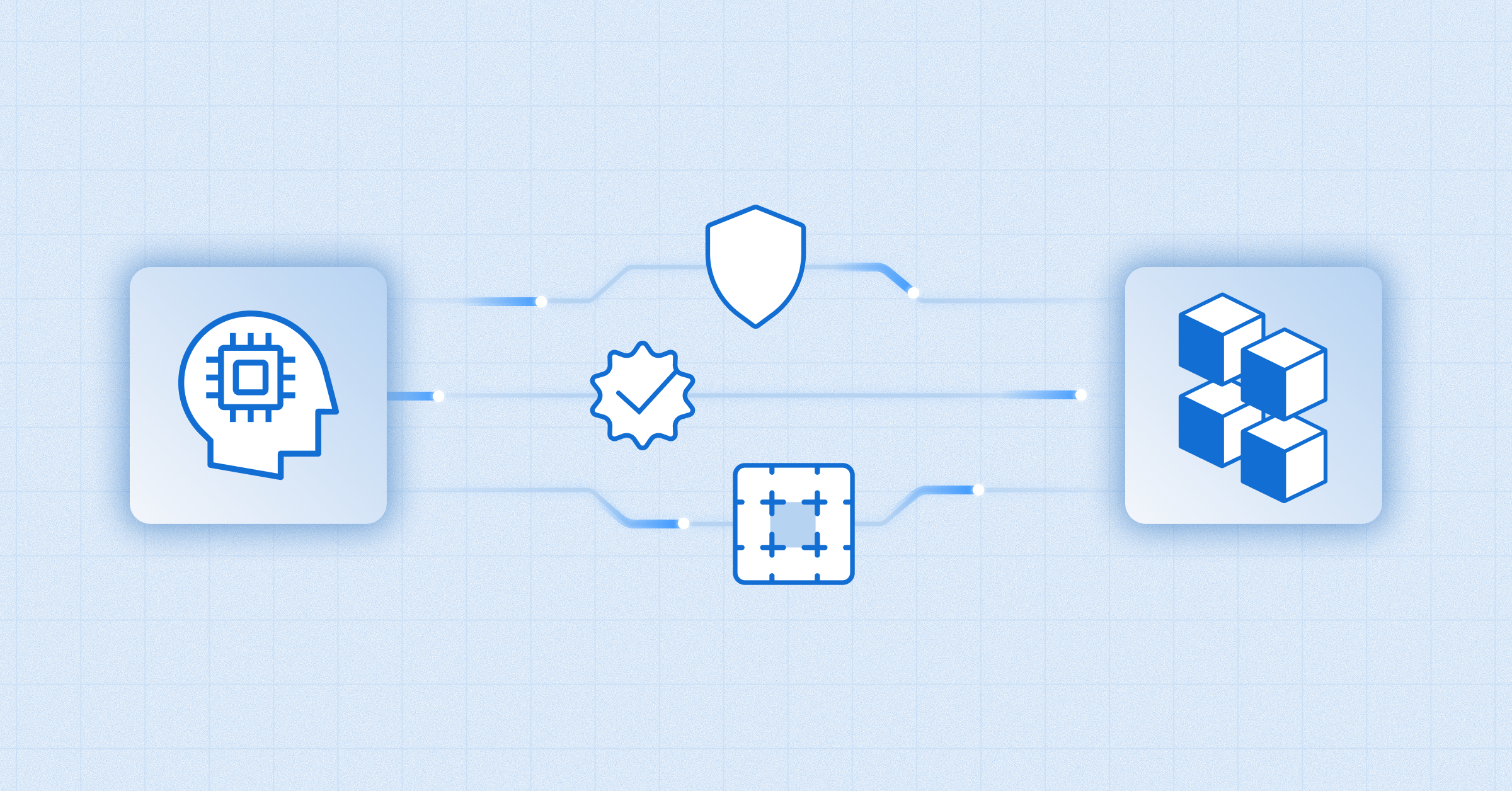
Introducing Sonar Context Augmentation
Sonar Context Augmentation injects SonarQube into AI agents like Cursor and Claude Code for fewer errors, lower costs, and better AI code review.
Read article >
The Future of Software Development is AC/DC
As AI agents write more code, ensuring code quality and security becomes critical. Explore Sonar’s approach to code verification and technical debt reduction.
Read article >
Announcing SonarQube Server 2026.2
A redesigned interface, AI fix suggestions powered by your own model, expanded language support, and unified security reporting.
Read article >

Introducing Base Support: Free resources to accelerate your code verification journey
Accelerate code quality and security with SonarQube Base Support. Explore free training, documentation, and onboarding tools for better software reliability.
Read article >
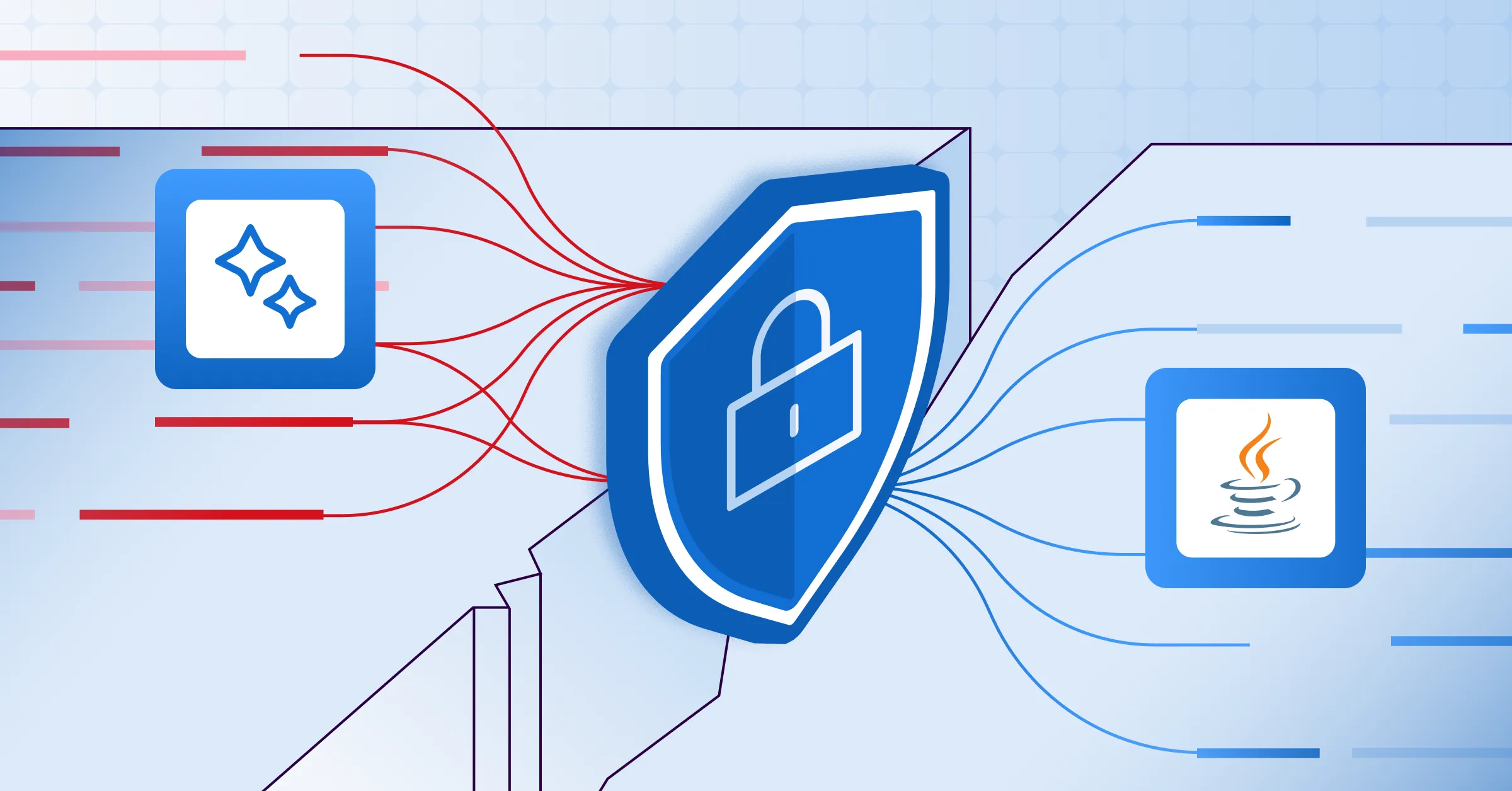
Your AI can write Java 25 right with SonarQube
As AI code improves, bugs become harder to spot. Learn Java 25 risks and how SonarQube identifies critical issues before they ship.
Read article >

How to scale code review when AI writes code faster than you can understand it
AI-generated code is growing faster than humans can review it. See how automated code review and governance protect code quality and application security.
Read article >